- DEN Enews
- Posts
- DEN Enews
DEN Enews
Winter's Reset

Diocesan Environment Network
January 20, 2026
Thank you, winter, for the reset. Oh, I know your snow was heavy but the job got done. So much gratitude for the neighbour who cleared the end of the driveway where the plow had been. Such a wonderful gift as was the conversation while leaning on a shovel. Snow days can also be slow days to make connections.
As I stood on my deck with a coffee after the work was done, the winter wonderland was magical. The air was still. Birds darted amongst the snow laden branches of my Christmas tree, now in it’s winter home. The day became a gift. Plans had been cancelled. Solitude and quiet became the gift to reset one’s intentions. Do the Enews. Finish that AGM report. Curl up with a book because the world had given us a breather. I pray it was so for you.
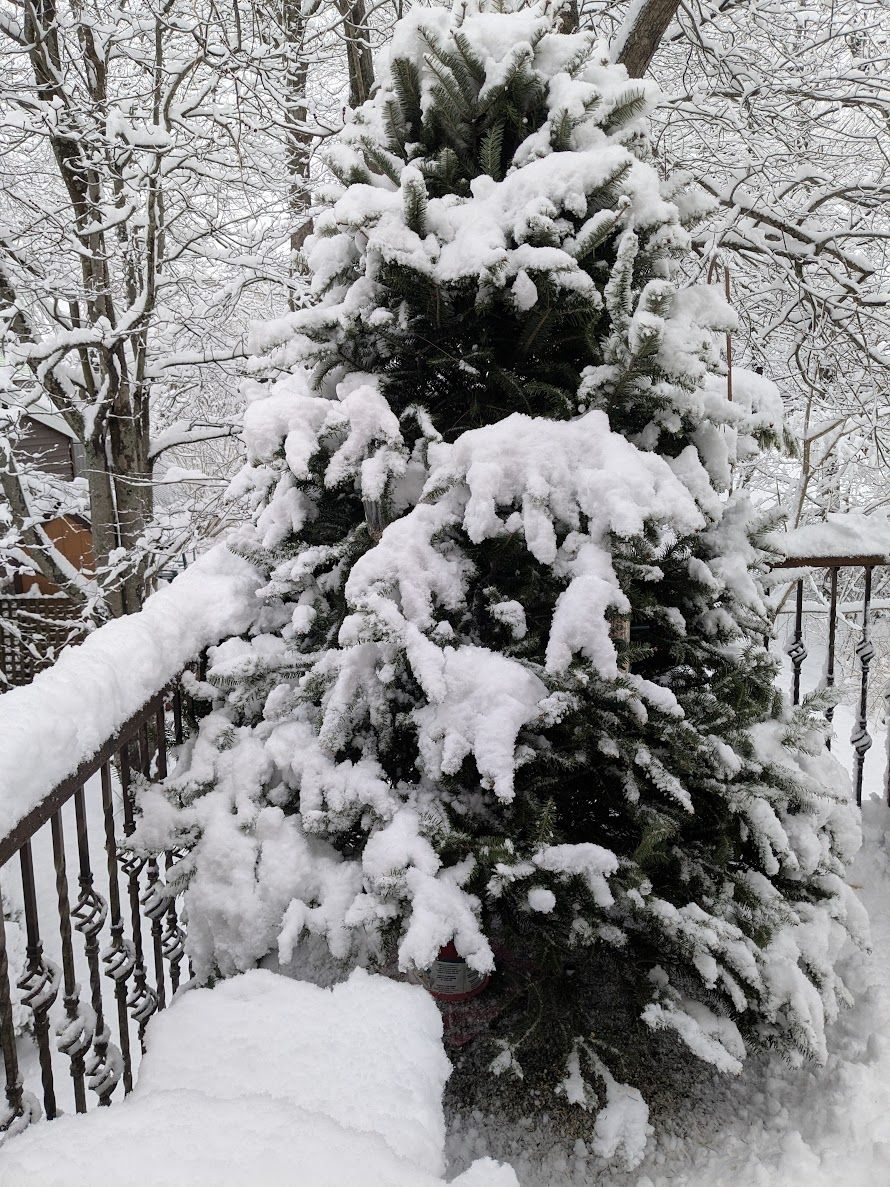
Every climate warrior / activist needs a reset day to breathe and recharge those batteries with their intentions for this fragile earth. Please check out the climate warriors who need you in the newsletter below:
Included in the newsletter are harvest plans for the Acacia valley, home to at least 70 occurrences of species-at-risk lichens and rare birds like Pine Siskins and Red Crossbills. They need your help writing to Jill Balser and Tim Halman.
Then check out how you can help Camp NOW (Need our Wilderness).
+++++++
Does your voice matter? You bet it does! Check out this video highlighting the successful work of many voices throughout the earth and then act on the petitions below that aim to further the health of our oceans plus other needs.

with thanks to Eva Evans and Jesse Hamilton
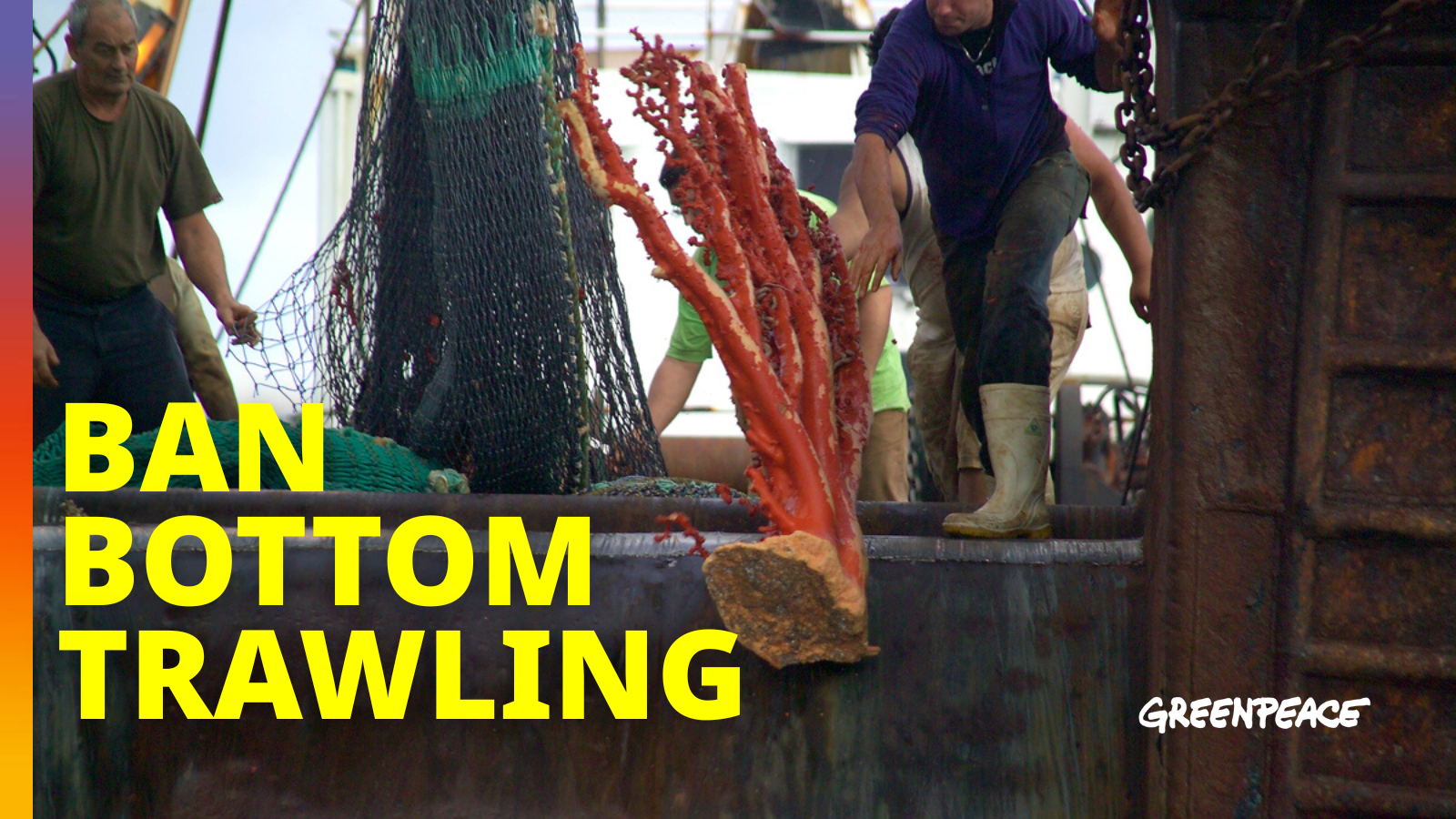
Bottom trawling is a highly destructive fishing method where heavy nets are dragged along the seafloor, bulldozing ancient coral and killing everything in their path.
New Zealand is the last country still bottom trawling in the international waters of the Tasman Sea.
Together, we can stop this destruction and safeguard our precious ocean wildlife

Deep sea mining companies are seeking to start mining the seabed, carving up the global commons for corporate profit. Gigantic machines would scoop, dredge and cut mineral deposits from the ocean’s deep seabed.
Scientists warn that deep sea mining risks causing severe and potentially irreversible damage to the deep ocean and to the marine life that calls it home. It could disrupt the natural processes that store carbon and adversely affect coastal communities and Indigenous peoples who rely on the Pacific for their livelihoods and way of life.
Deep sea mining companies, including Canada-based ‘The Metals Company’, are wasting no time in pressuring governments to give them the green light.

In December, the U.S. Department of the Interior released a horrific five-year plan to vastly expand drilling in the United States, including in places like the high Arctic where drilling has never been proposed. Offshore oil leasing would auction off 1.27 billion acres of public waters in California, the Gulf of Mexico, the Arctic Ocean, the Bering Sea, and Cook Inlet off Alaska. This is in addition to the recent lease sales in the Gulf and Cook Inlet. The longevity and health of the environment is missing from this action and many species rely on these waters, including humans. Sea otters, endangered black abalone, the last few dozen North Pacific right whales, bowhead whales, walruses, and polar bears are some of Earth’s life on the frontline and facing thinning sea ice, warming waters, and habitat loss. Increased drilling activity creates greater potential for the oil spills that go with it. Please add your name to speak out against the unacceptable risks and to speak up for marine life and our connected world.
Premiers Doug Ford and Danielle Smith have already gutted environmental protections in their provinces. Now they’re pressuring Ottawa to follow suit — to weaken federal laws like the Species at Risk Act and Impact Assessment Act, Canada’s last line of defense for nature. They’re pushing a false narrative that environmental laws block economic growth. But real nation-building isn’t about backroom deals or cutting safeguards. It’s about investing in smart infrastructure that creates good jobs, respects Indigenous rights and protects the land and water we all depend on. Tell the federal government: Build a strong Canada — don’t break it. Please consider signing this David Suzuki petition.

The High Seas Treaty aims to protect two-thirds of the ocean that lie beyond national borders. It officially entered into force on January 17th, marking a new era in the protection of our shared ocean. 64% of the oceans can now be legally protected. 145 countries have signed the treaty and 83 countries have ratified this network of ocean sanctuary. Canada signed the treaty in 2024, but has yet to ratify it. A globally effective treaty depends on universal participation, and each ratification strengthens its legitimacy, expands cooperation, and increases our collective ability to protect marine life, create marine protected areas, and secure a healthier ocean for future generations. Let’s urge our leaders to ratify the treaty and make Canada a strong part of this exciting path forward!

Mo. Marian Lucas-Jefferies is SO proud of the contribution the church is making to caring for God's creation!
Your involvement covers everything from greening your buildings, being diligent in your efforts to reduce, recycle and reuse to planting trees, establishing pollinator gardens, and devoting time at those very special times of the year like Earth Day, Rogation Sunday and Season of Creation to worship and special projects.
It's time to have a conversation and discuss how to support each other, continue to inspire parishioners, maintain the momentum, share information, and increase collaboration between parishes, faith communities, environmental organizations, and the communities we serve.
We will be holding a Zoom meeting Thursday January 29 at 7 pm. Can you please share the invitation with people in your faith community/region/diocesan council members and RSVP if you are able to attend?
Looking forward to those Epiphany moments during the conversation.
Blessings,
Marian
ZOOM LINK COMING SOON! If you didn’t get one, email us - [email protected]

with thanks to Claudia Zinck
Coastal Resilience
As usual with Grandma, she reads an article, watches a newscast or hears a conversation that sparks her ramblings for the week. This time it was about the wind and how it was affecting shorelines.
Grandma lives across the road from a shoreline and has noticed how even our gravel beach changes with wind. I have been on PEI after a storm and seen a beach change and reset back. PEI beaches are a real shape shifter without the sci-fi storyline.
Grandma has learned that the coastline tells you a lot, if you take the time to watch it.
This ramble was started by someone saying that NS and PEI coastlines were, “different as night and day” as if that was a bad thing
In Nova Scotia, the shore tends to be rocky and determined. Cliffs, boulders, and tide pools have stood up to centuries of waves. After a winter storm, the coast may look battered, but it’s often still right where it was before. Barnacles cling. Seaweed returns. The rocks wait patiently. This kind of resilience is about endurance, holding fast through whatever comes.
But rocky shores have their limits. When oil spills, pollution, or shoreline construction disturb them, recovery can be painfully slow. Those tide pools full of tiny life don’t bounce back quickly once they’re damaged. Strong doesn’t mean invincible.
Over on Prince Edward Island, the shore behaves very differently. PEI’s beaches and dunes are always on the move. After a storm, the beach may look changed, sand shifted, dunes reshaped, but that movement is part of how the coast survives. Beach grasses bend instead of breaking. Sand travels, settles, and slowly rebuilds.
That flexibility is PEI’s coastal strength. Dunes act like cushions, softening storm surges and protecting what lies inland. But when dune grass is trampled, vehicles drive on the beach, or buildings creep too close to the water, the coast loses its ability to heal itself. Once the dunes are gone, the sand doesn’t know where to stay.
Climate change is making these differences more obvious. Stronger storms, rising seas, and unpredictable weather test both coastlines, in their own way. Nova Scotia’s rocks can take a pounding, but pollution leaves lasting scars. PEI’s sands can recover, but only if we give them room and respect.
Grandma notices this when she travels. She sees shoreline breakwater armouring going up in some places, and in others, communities choosing to let salt marshes, dunes, and beaches do the protecting instead. Nature is often better at the job, if we don’t get in the way.
So, what does coastal stewardship look like close to home?
It looks like staying off the dunes in PEI, even when the shortcut is tempting.
It looks like protecting tide pools in Nova Scotia, not treating them as toys.
It looks like supporting coastal setbacks, living shorelines, and local conservation efforts, even when patience is required.
It looks like remembering that every plastic wrapper, every bit of runoff, eventually finds its way to the sea.
Grandma’s takeaway is a simple one for our Diocese.
Nova Scotia’s coast teaches us how to stand firm.
PEI’s coast teaches us how to bend and recover.
Both lessons matter. Both remind us that caring for creation isn’t about control; it’s about attention, restraint, and love for the places that keep showing up for us, storm after storm.
Pollinator Seed Share Project
I’m happy to share some very good news; we’ve received funding from the Department of Communities, Culture, Tourism and Heritage. (Grandma is doing a happy dance!)
This is the week that Seed Share starts. I need to start writing my emails and getting everything lined up to package seeds. We will need at least six thousand seed packets this year
Here’s the key point for this issue: I will be calling on everyone to help fill seed packets. We’ll need at least 6,000 packets this year. A group of seven people can fill about 2,000 packets in one afternoon, so DEN will definitely need volunteers.
Things are coming together nicely. One of the best parts of this project is how simple it is. All we need are seed, envelopes, and people.
Maybe your parish might even start small—50 packets to give away at a breakfast, bingo, supper, or community event. Trust me, they won’t last long.
Something to eat.
I sit here smelling the aroma of turkey. I love to use the bones from the Christmas turkey to make a hot soup and homemade bread but I am too lazy to do that around Christmas. So, I freeze the bones, skin and remains of the roasting pan till later January.
Turkey Soup is so easy. There is one secret ingredient, leftover gravy. Save your gravy for soup day, or, open a tin of gravy if your own isn’t available.
Then add all the usual things
Turkey meat
Rice (from a half to a full cup according to how much soup you are making)
Mixed vegetables (if I haven’t frozen leftover veggies then use a bag of frozen)
An onion chopped up
Add that gravy, Then Italian Seasoning (or a bit of parsley, thyme and tarragon)
Let it cook together for an hour on the stove or 3-4 hours in a slow cooker.
Zipper bags let you freeze the left over soup but I can the soup in pint jars, grabbing one when life gets too busy to cook.
Grandma has started a new craft, knitting rugs using fabric strips I had made for my locker hooks mats. Tell you all about it next week

In the Midst of Winter
Lord:
In the midst of Winter, when the days are cold and wind can pierce remind us of the warmth of your love.
In the midst of Winter, when days are short, dawn comes late, and dusk arrives early remind us that in the darkness your light still shines.
In the midst of Winter, when the flowers of spring still lie hidden in the earth, when leaves are off the trees, and the world can seem bleak
remind us that Easter is but a short time away.
And when in our lives we feel as if we are experiencing a season of winter, reach out to us with the power of your resurrection so that we may feel the warmth of your love and see your light that alone can take away the darkness of our soul.
- Cal Wick
Thanks for being here with us.