- DEN Enews
- Posts
- DEN Enews
DEN Enews
You Can Make a Difference

Diocesan Environment Network
January 13, 2026
It is hard to focus on local issues when the world has gone mad and the global news is so dire. How can we possibly affect change on those issues? Our angry-faced emojis only feed the rage and click-bait algorithms and increase our blood pressure. Our local news is not so refreshing either when we look at the failure of the province to protect our natural resources/biodiversity with insistence on ignoring the science and the advocates for those resources. But we absolutely can make a difference on these local issues and we present them first. Your actions will make this statement from the David Suzuki Foundation very clear:
If people don’t care about the natural environment, and don’t see ourselves as part of it, we won’t fight to preserve it. One solution is to actively increase our knowledge and contact with nature. I see some hope with community science (also referred to as “citizen science”). It’s growing in significance every year, with millions of people contributing valuable data.
The advocates for the areas needing your help have armed themselves with textbooks full of citizen science and deserve to be listened to and supported.
Commit to helping these areas and then enjoy
a chance to feed your soul planning for warmer times and a new growing season ahead.
an invite to get together
and Grandma’s always inspirational article

Local issues first

The deadline for comments for the Harvest Map is January 17th. This is critical to the efforts to protect this area from perpetual clearcutting, otherwise known as “high production forestry”. According to the IRWA group: 117.05 hectares, or 289.11 acres, of the Ingram River Wilderness Area have been proposed for harvest. 67.15 hectares, or 165.86 acres, are to be High-Production Forestry. This brings the total of proposed HPF for IRWA to over 231 hecatres, or 570 acres, for 2025 alone.
Compounding the issue is that a total of 1,400 hectares, or 3,549 acres, of harvests have been proposed for the surrounding Ingram River and broader St. Margaret's Bay watersheds. High-Production Foresty is moving forward at a break-neck pace, but there is virtually no advancement of the legally-required Protected Areas.
You can view the harvest proposal on the HPMV portal here:
How to Comment
Click on the Ingram area on the provincial map,
Zoom in using the + sign on the left side of the page.
Hover over and look for the polygons with a January 17th deadline. There are numerous polygons. You need to comment on each one.
Click on the mail icon that looks like an envelope at the left of the screen, and then click on a polygon. Insert your comments and click send. Do this for each polygon.
Some things you may want to mention in your comments:
request to see the PTA (pre-treatment assessment)
mention your concerns about the impact of HPF on the endangered Mainland Moose
mention your concerns about the impact of HPF, especially spraying glyphosate, on the health of the Ingram River, the spawning salmon and the SMB watershed as a whole.
mention the previous violation of the boundaries for the endangered blue felt lichen in a previous polygon and your concerns for the many species at risk found in these polygons.
+++++++
A Call to Action from Save Our Old Forests for another harvest area
On December 4th the Department of Natural Resources released 5642 hectares of harvest plans for public comment, with 498 hectares of that in Annapolis County. The plans include a number of areas designated for High-Production Forestry (HPF) which means clearcutting and spraying with Glyphosate.
Of particular concern are the HPF harvest plans that have been submitted right beside Mickey Hill Provincial Park and Lambs Lake Nature Preserve, and within the proposed Goldsmith Lake Wilderness Area south of Gibson’s Lake. These are areas that county residents use for recreation, camping, swimming, family picnics and walking their dogs. These are areas that were off limits for much of the Summer of 2025 because of the wildfire risk.
The deadline to submit public comments on these plans is Saturday, January 17, 2026.
For more detailed information:
+++++++
From the Ecology Action Centre for residents of HRM:
The HRM’s climate action plan is at risk — and we need your help to save it!
In recent budget debates, Mayor Andy Fillmore put forward a motion that proposes cutting the Climate Action Tax by 33 per cent. This is what funds the work of HalifACT, which is the city’s long-term climate action plan.
Cutting funding means:
less resources for wildfire prevention and flood safe infrastructure
less support for residential energy reduction cost
longer to transition off fossil fuels
limits on HRM’s ability to access funding
Will you call or write to your councillor and urge them NOT to cut the Climate Action Tax, and to continue full funding for HalifACT? To make your letter as effective as possible, be sure to send it before Tuesday, Jan. 27 — this is when Council will be holding a special public participation session on the budget.
Also, make sure to CC [email protected] and [email protected] so it goes on the public record.

The Great Lakes contain nearly 20% of the world's surface freshwater, supplying drinking water to more than 40 million people and supporting countless ecosystems, Indigenous nations, and local economies. Since 2019, water levels across the Great Lakes have dropped by two to four feet. Climate change, reduced ice cover, and increased evaporation are already placing enormous strain on the system. Today, this vital resource faces a growing and underregulated threat: massive data centers built to power AI, cloud computing, and Big Tech infrastructure. Sign now to demand that the Great Lakes Compact Council and the EPA work together to regulate data center water use and protect Great Lakes water levels.
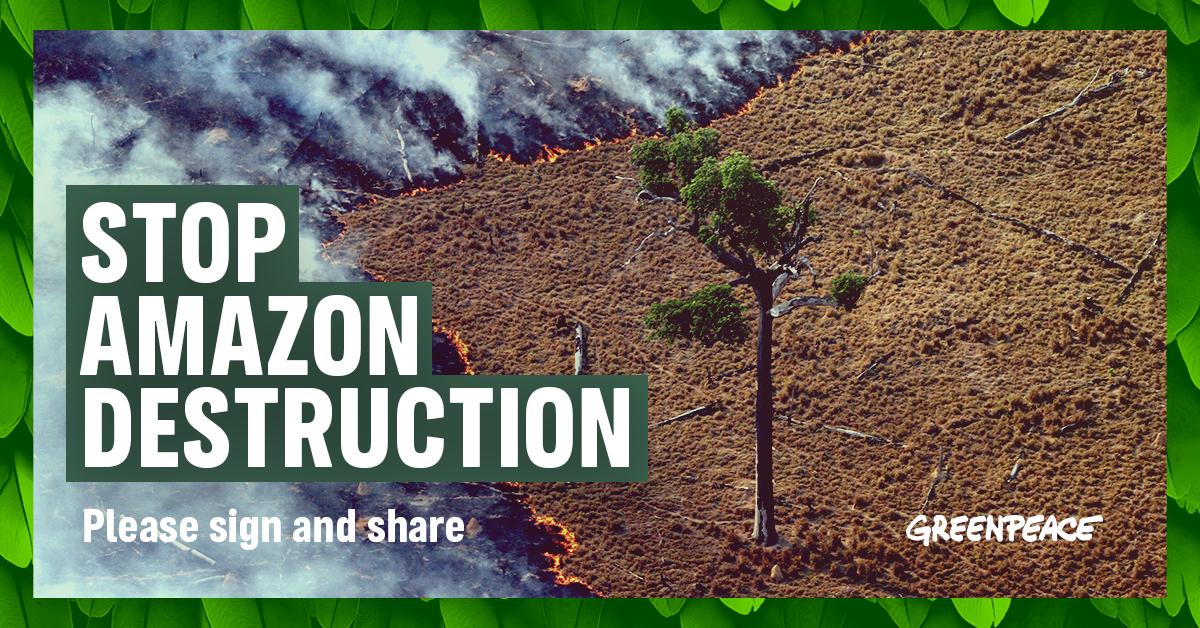
Our world’s largest rainforest is under attack. Industrial-scale agriculture is cutting and burning huge areas of the Amazon. This home to endangered species and Indigenous communities is one of our greatest hopes for a livable future. People are demanding that global leaders respect the Amazon, act on their promises to halt deforestation, regulate and stop funding its destroyers, and fund Indigenous and local solutions to protect and restore it. Join the movement to help stop Amazon forest destruction by adding your name to support this living, global treasure.

Help call on the European Parliament and Commission to ban cruel octopus factory farms before they begin. Seafood corporations want to turn Europe into a testing ground for octopus factory farms, locking these incredible animals in tiny tanks where suffering is so extreme they even turn to cannibalism. Right now, nothing stands in their way, as there’s no EU law to stop them. Octopuses are among the smartest animals on Earth - even forming underwater “cities” where they live and interact with one another. Scientists warn that locking such complex, social beings in barren tanks is torture. Once this industry starts, it will be much harder to stop. Every signature piles pressure on Parliament, so please add your name to protect these intelligent animals from industrial exploitation.
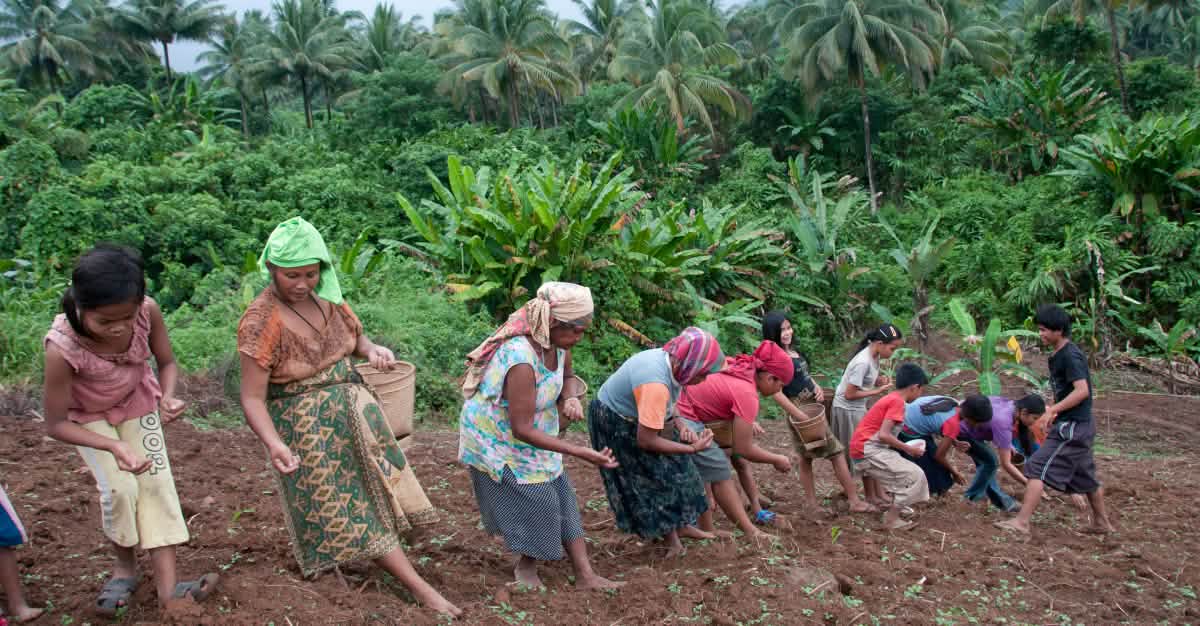
This petition is asking for help preserving the island of Palawan; a UNESCO Man and Biosphere Reserve and one of the last true slices of paradise in the Philippines. Several Indigenous peoples live on this island who limit their contact with outsiders, but industry is reaching in and threatening both land and people. Lionheart Agrotech is an industrial grower of hybrid coconuts. They are after turning irreplaceable lowland rainforest and Indigenous peoples’ farmland into plantations. They have already destroyed sacred sites, burial grounds, community food sources, and watersheds, and have been clearing parcels of land without following due Free and Prior Consent (FPIC) procedures. Those who speak out have received death threats. We are able to speak out and apply pressure without that consequence. Please add your voice in demanding an end to the total disrespect of environmental laws and the blatant violations of Indigenous rights.

An invite from the Rev. Marian Lucas-Jefferies
Hi everyone,
I'm SO proud of the contribution the church is making to caring for God's creation!
Your involvement covers everything from greening your buildings, being diligent in your efforts to reduce, recycle and reuse to planting trees, establishing pollinator gardens, and devoting time at those very special times of the year like Earth Day, Rogation Sunday and Season of Creation to worship and special projects.
It's time to have a conversation and discuss how to support each other, continue to inspire parishioners, maintain the momentum, share information, and increase collaboration between parishes, faith communities, environmental organizations, and the communities we serve.
We will be holding a Zoom meeting Thursday January 29 at 7 pm. Can you please share the invitation with people in your faith community/region/diocesan council members and RSVP if you are able to attend?
Looking forward to those Epiphany moments during the conversation.
Blessings,
Marian

Have you started thinking about spring yet? Here are some websites that might encourage you. The Seed Library has a great list of available free seeds but click on each one to ensure they are native to Nova Scotia
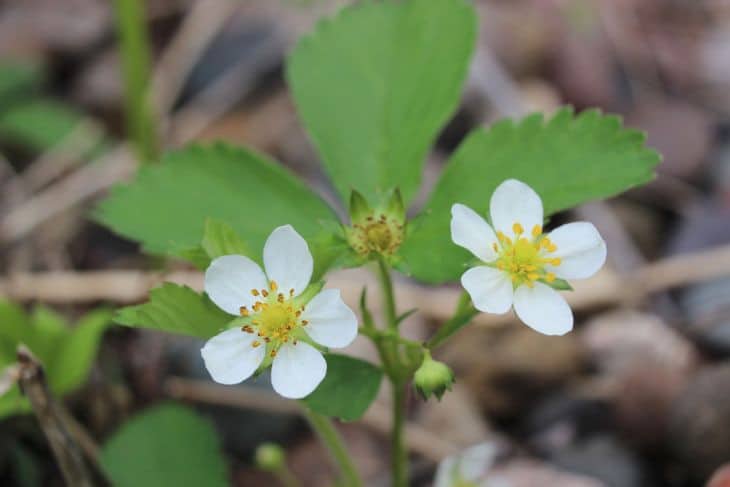
Ever considered allowing a part of your gardens to “go wild” and return to nature? Check out this website for some great ideas and then build an ARK.

DEN received these beautiful words from Grandmother Birch as part of a seed sharing conversation:
I am feeling that there is a beautiful web being spun, and it is connecting us all through seeds, pollinators, birds etc. i have so many things i would like to share, and wish we could all sit down together and chat and dream and scheme. This is a scary time....it is also a sacred time. We are being called to this work of repair, reverence and love. I am so glad you are on this journey with me.
I can't remember if I shared this short film with you, called "a mystical ornithology".
It's about 11 minutes long, and I think so beautiful. This web connecting us all makes my heart feel lighter knowing there are so many of us out there, tending our gardens, saving seeds, loving the plants and the moths and bees and birds and frogs and snakes.....

with thanks to Claudia Zinck
Dreams and Plans
Winter is the time to slow down a bit and let yourself dream. What do you want to do going forward? What interests you? Slower seasons are good for reflection, and for noticing how our everyday choices affect the world around us.
Grandma has decided that this summer she wants more u-pick days. No, I’m not talking about hauling home gallons of produce to turn into endless jars of preserves. Nana’s mobility may be slowing, but she can still drive just fine and that makes all the difference.
We plan our trips carefully. Nana parks the car in the shade with a good book, and I bounce up and down the rows, picking a modest amount of whatever is ripe. Strawberries, for example, might be four or six quarts: two for jam, two tucked into the freezer for winter, and two to eat fresh. Nothing excessive, just enough to enjoy picking them. Eating seasonally and locally reduces packaging, food waste, and long-distance transport, and it tastes better too.
I like to pack a simple picnic: a sandwich and a few little snacks, a thermos of tea, nothing fancy, nothing disposable. We take our time, enjoy the drive home, and then spend the rest of the day resting and content. Those are our kind of day trips, just 30 or 40 kilometres to a u-pick, a bit of sunshine, fresh air, and the pleasure of getting out together. Simple joys, a lighter footprint, are more than enough.
Tourism businesses count on people coming back year after year and telling others about the fun they had. Supporting small, local businesses helps keep communities vibrant and reduces the need for big, resource-heavy attractions. If time allowed, we could start putting out a green business directory. I can see it now. Maybe a title of “Get your Green On”.
This week’s research brought me a pleasant surprise. On our last vacation to PEI before Nana became ill, we rented a surrey bike in downtown Charlottetown. When I looked up the bike rental company recently, I discovered they’re still using photos we took that day. You can even see my review on the bottom of the page. It reminded me how active, low-impact tourism—walking, biking, paddling—creates memories without leaving much behind.
Another business I admire is Solar Rides. They operate a solar-powered boat in Charlottetown and a solar-powered bus in Halifax. It’s encouraging to see renewable energy being used creatively, showing that sustainability doesn’t have to mean sacrifice, it can be fun.
All that summer dreaming is lovely, but winter is also a good time to turn inward and get busy at home.
Yes, Grandma goes into cleaning mode, even watching videos on the subject. I’m a bit of a study nut. This week I picked up a few cleaning ideas that also happen to be good for the environment.
The first tip was simple: stop fighting what you naturally do, work with it. If you always carry your keys into the kitchen when you get home, don’t force yourself to keep them by the front door. Create a small, uncluttered spot in the kitchen just for keys. When things have a home, fewer items get lost, replaced, or duplicated, and that saves resources as well as sanity.
The second tip was to clear off “ledges.” A ledge is any flat surface where things get put “for now”: the top of the fridge, counters, shelves, side tables. When those surfaces are mostly empty, cleaning takes less time and fewer products. One swipe with a microfibre cloth, no chemicals needed, does the job.
There was also an acronym: OHIO—Only Handle It Once. The idea is that if you pick something up, you put it directly where it belongs. It reduces clutter, saves energy, and helps us value what we already own. I may never master this one completely, but even small improvements matter.
As always, things eventually lead back to food.
Grandma decided she wanted to take another course and thought she’d have some fun with free online learning. There are wonderful courses available at no cost, including environmental education from the United Nations at
https://unccelearn.org/ Learning, especially when it’s free and accessible, is one of the most sustainable investments we can make.
I searched for free online cooking classes and had a good chuckle. Udemy offers, among its free courses, one entirely devoted to using a sandwich maker. Learning to cook with what you already have is one of the best ways to reduce waste.
Which brings us to the freezer and canning supplies.
Grandma is very good at spotting bargains before Christmas and tucking things away “just in case.” This year, we somehow ended up with three shrimp rings. Buying on sale can save money, but it’s also a reminder to use what we have before buying more. My freezers are nice and full. Oh, such a problem!
Today’s solution was spaghetti.
It’s cold outside, and making spaghetti in a roasting pan is easy and helps warm the house, using the oven efficiently. Spaghetti is wonderfully forgiving and perfect for using odds and ends:
· Meat: hamburger works well, but minced pork or chicken is just as good if it’s cheaper
· Tomatoes: garden tomatoes cooked and frozen, tins of tomatoes, plus the end of a ketchup bottle and a bit of leftover pizza sauce
· Vegetables: peppers, mushrooms and carrots are favourites, but almost any leftover vegetables will do
· Spices: Italian seasoning works fine; Grandma also likes thyme, basil, and tarragon
· Onion and garlic: unless you have an allergy, one chopped onion and a few garlic cloves
Make it nice and juicy. Add tomato soup, the last of a tomato juice bottle, or even V8. Search your fridge before opening something new. Using what’s already there is one of the simplest environmental choices we can make.
Put everything in a roasting pan with a lid (if it has one) and bake at 200 degrees for at least four hours.
Simple food. Thoughtful habits. Gentle dreams. And a reminder that caring for the earth often starts right at home, with how we travel, clean, learn, and eat.
Pictured: spaghetti baked in the roaster and leftover sauce safely canned—simple, home cooking that makes good use of what we have. That jar on top, labelled Dill Pickles, has been travelling back and forth across the road between my neighbour and myself since summer, reused again and again for whatever extra we’ve cooked. Less waste, no packaging, and a short trip every time. She makes the best chicken and big noodle soup, and we’re hoping to see that jar make its return journey again soon. Oh, yep, I marked them 2025. Now where is my permanent marker.


Thank you for joining us
We love to hear from you [email protected]