- DEN Enews
- Posts
- DEN Enews
DEN Enews
"Keep NOT Quitting"

Diocesan Environment Network
March 24, 2026
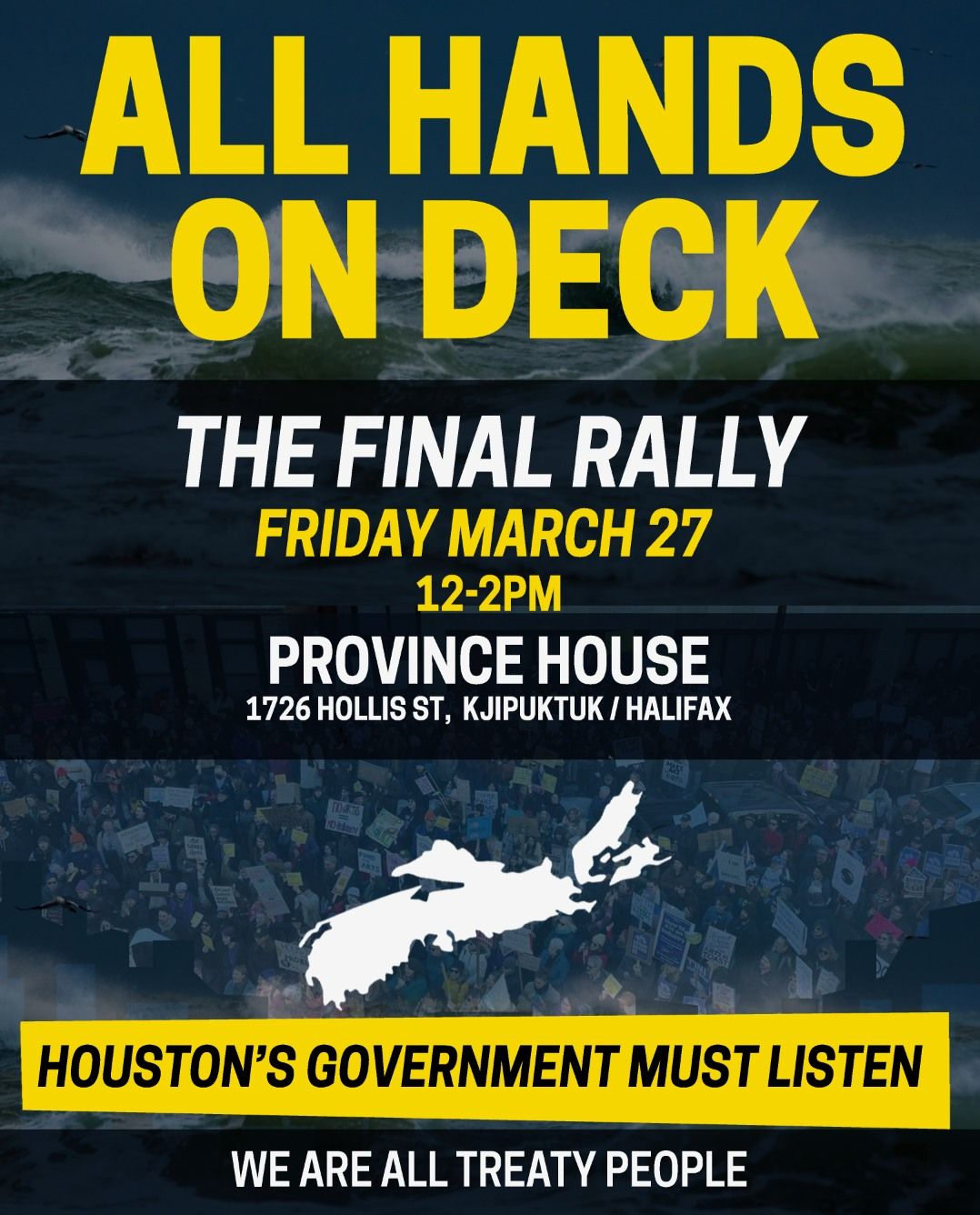
In the words of Nancy Hunter, facilitator of Beyond the Rallies: “One of the great things about the Many vs the Money Events, is that they are not just for people who are already active in stuff. They are for those out there who want to do something, but not be sure how to get involved.
It's a welcoming place to meet other concerned people, connect and get ideas for things you can do and be part of.”
See you tonight at the Cathedral of All Saints:

Some encouraging words from Sarah Bessey:
Hi friends,
It’s been impossibly difficult, oh, I know that.
It’s been humbling and it has felt like nothing is working and it’s all uphill and you’re wondering why you even bother. It has felt like two steps-forward-one-step-back. It has reminded you over and over again that you are not in charge because if you were, you would surely run the universe better than this. It has disabused you of your idealism, leaving you to a path through reality. There is more grief than you thought you could bear. It’s messier than you thought it would be. It’s broken your heart. It has proven more complex than you could have imagined. It has hurt like hell. And it has felt futile and ineffective.
People talk about victory and success and manifesting, but sometimes it takes all of our energy to just keep not quitting……
There are days when you feel like you’re in the right lane and you feel a whole cloud of witnesses cheering for the race you are running. You are daring to stand between what is and what will be and what longs to be, you know this.
But other days….Well, the heavens are rather silent and you feel like you are plodding along in a dirt track without an end game……
.And that’s when the greatest act of faith we have in our arsenal is our stubbornness.
Keep not quitting.
Jesse Hamilton is one of our Advocacy Editors and recently commented: Advocacy and education go hand in hand. To quote "The needed link, from my view, is that the A in advocacy is for Action. Action is not always a given in education, but its inseparable from advocacy. Webinars and resources are ways people can take action to learn more and find tools to help in an issue, so it's advocacy."
Curious about LNG projects? Foreign investors are pitching LNG exports as an economic cure-all for Canada. But if LNG is such an economic engine, why do they need billions of our public dollars?
Learn more at this webinar:

A clean, renewable economy is not too much to ask for! On March 31st, witness the launch of a new national campaign with a webinar called “LNG: Not in Our National Interest”. This campaign is meant to stop PM Carney and his key ministers from giving billions more of our taxpayer money to dirty energy megaprojects that only benefit foreign billionaires. If LNG is such an economic engine, why do they need billions of our public dollars and while social community and environmental programs get cut? Join in to hear from leaders and experts on why the Ksi Lisims and LNG Canada Phase 2 LNG export projects are not in our national interest. Learn about the benefits of a renewable economy and how foreign-owned, high-cost projects don’t make economic sense, raise energy prices at home, and harm Indigenous reconciliation. The webinar will lead into a Week of Action mid-April for in-person actions across Canada.

Happy Birthday David Suzuki. Enjoy this interview with him on CBC
One way to celebrate David is to take part in the Butterfly project:
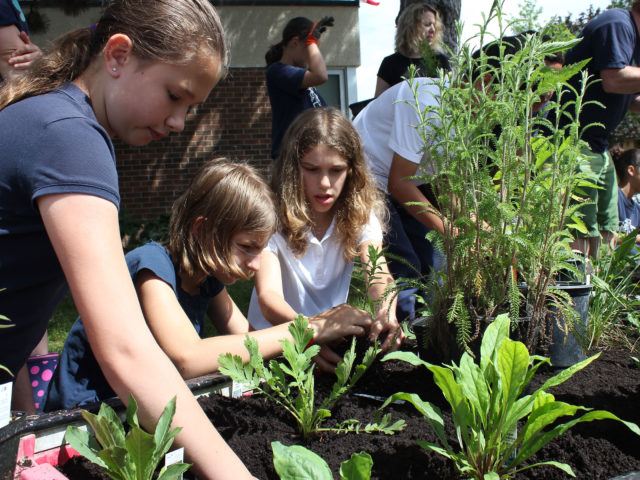
David Suzuki is celebrating his 90th birthday today! As a way to celebrate the environmental journey and the start of Spring, take a look through the Butterflyway Project. It was launched in 2017 by the David Suzuki Foundation. Since then, more than 7500 habitat gardens have been established with close to 2000 Butterflyway Rangers trained in hundreds of communities across Canada. There is an interactive map where you can find the gardens near you, as well as Butterflyway stories and green tips like how to attract pollinators.
Great news from Mexico is being reported of monarch populations increasing 64% this winter compared to the winter before! This is largely attributed to the efforts of monarch butterfly hero, Homero Gómez González. He advocated for a community approach and the Rosario Monarch Butterfly Reserve that preserves precious habitat for our shared fluttering friends.

With thanks to Jesse Hamilton & Eva Evans
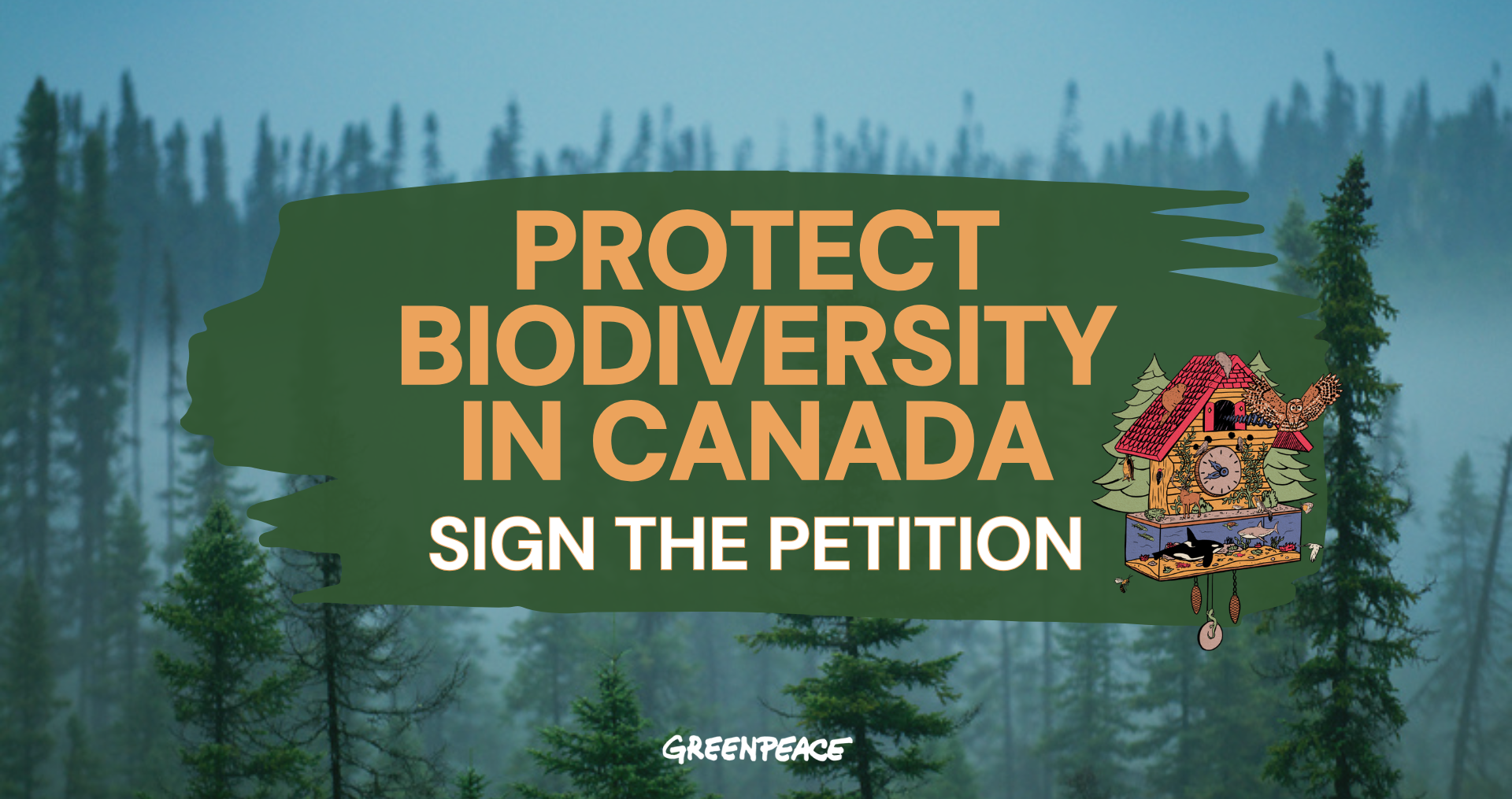
Canadians value nature and want to see it protected. In fact, polling found that over 80% of Canadians support expanding land and ocean protection, with many calling for more government action to make it happen. And yet, exploitative industries continue to destroy it and with zero regard for Indigenous rights and sovereignty. Our policies protect the polluter, not the people, life, water, and land. During the last election, the leadership promised to protect nature, biodiversity, and water. Reintroducing and strengthening the Nature Accountability Act is a great place to start. Tell Prime Minister Mark Carney and the government that we need a real, enforceable nature law that respects Indigenous sovereignty, sets clear protection targets, ensures public accountability, and holds polluters responsible.
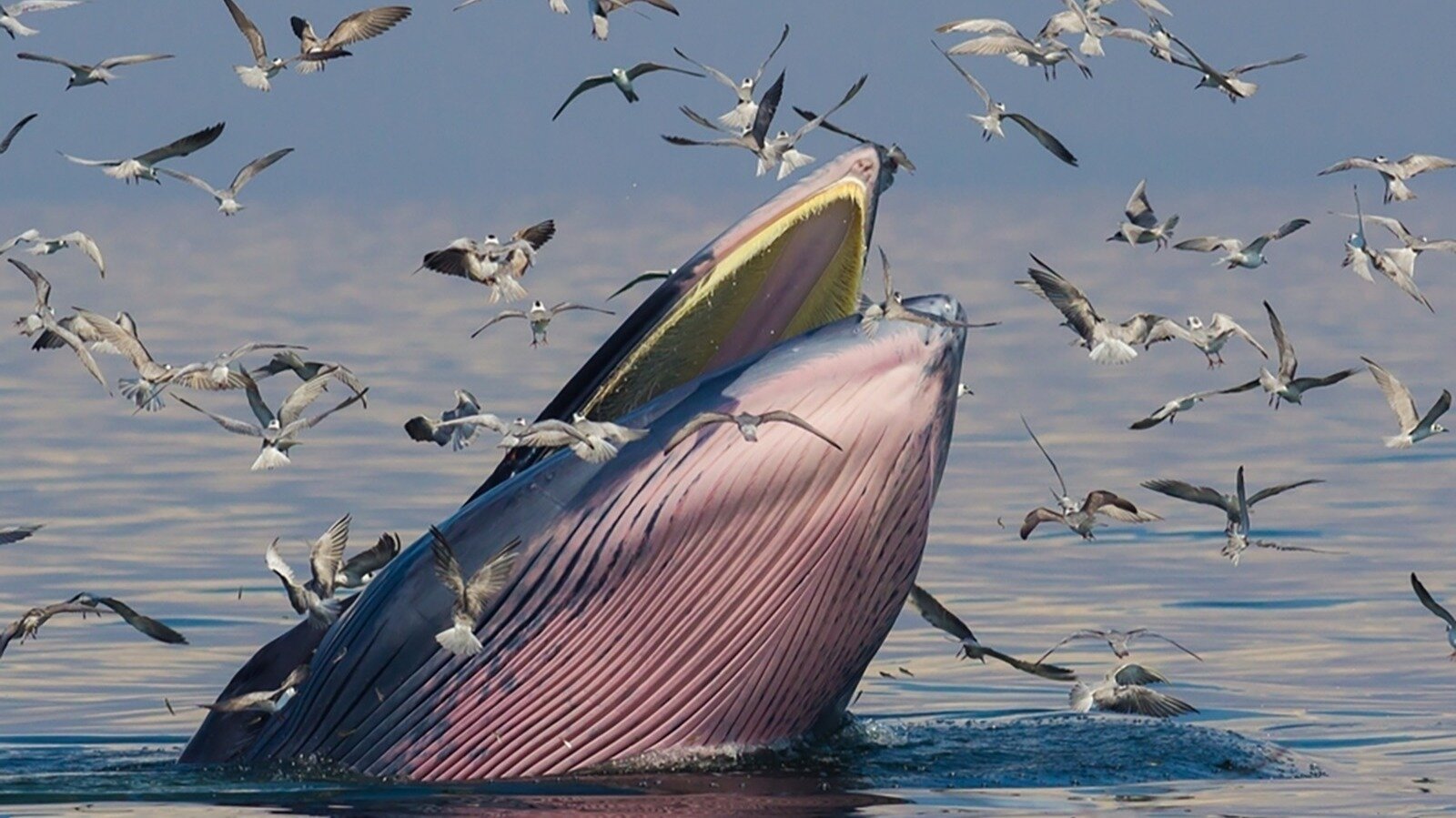
There are an estimated 51 Rice’s whales left in our world. Oil spills are known as one of the greatest threats to this species. Rice’s whales are native to the northern area of the Gulf of Mexico. A 2015 study showed oil covered close to 50% of their core habitat. 10 years later, and there are new offshore drilling projects moving forward in these waters. The Trump administration is after weakening the protections that stand between the Rice whale’s extinction. A rarely used federal committee known as the “God Squad” is being convened with the power to override the U.S. Endangered Species Act. This precedent of using it to benefit oil and gas development is incredibly dangerous. The risk to the Rice’s whales is not theoretical; analysis has already warned oil and gas activity in the region could push them to extinction. Please sign the petition to stand for their right to exist as part of our world by asking U.S. leaders to reject any attempt to weaken protections for endangered species.
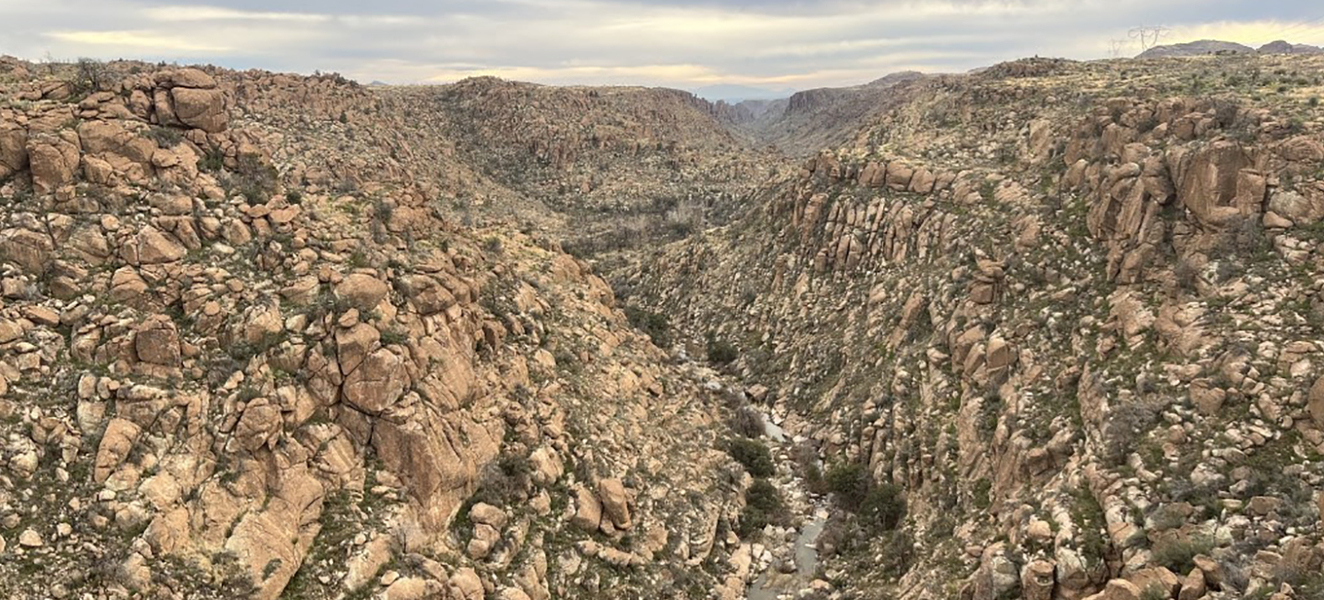
Oak Flats (Chi’chil Bildagoteel) is sacred Apache territory protected by treaty and off limits to mining since 1955 ‘due to cultural and natural value’. The Apache and other Indigenous peoples have protected and been provided for by this natural area for countless generations. It’s been decided, regardless of lawsuits, that Oak Flats will be obliterated and turned into a 1000-foot deep, 1.8-mile-wide crater. Resolution Copper, a subsidiary of British and Australian mining giants Rio Tinto and BHP, is getting the go ahead to destroy and contaminate the land, water and air. The project plans to exhaust 250 billion gallons of water from an already strained Arizona water supply, and the mine will have a 40,000-acre footprint which destroys dozens of springs and hundreds of cultural properties like burial sites, petroglyphs, and medicinal plants. Canadians can add their name to stand against this reckless harm.

with thanks to Claudia Zinck
Technology
Grandma believes computers, and technology in general, may be some of the most sustainable tools we have. I’m one of those folks who nearly wore out the encyclopedia set, and I was also the one coding simple games for my children nearly 50 years ago. Back then, computers were a brand-new tool… and for some of us, the newest toy.
One of my friends, however, wants nothing to do with computers. She feels they’re taking over the world. For years, her phone was strictly for voice calls. The first computer only entered her home this year, when her husband retired and decided he wanted to learn. As it turns out, he had already been quietly using his phone for emails and research at work. The computer was simply the next step.
I imagine there was a small household debate when that machine arrived. But here we are, a few months later, and Sue has learned to text, though she still calls it a “written call.”
Now, Grandma still loves a good, solid, paper-bound book. But then I start wondering… how many of those end up in landfills? And off I go, back to the computer to find out. No paper needed for that part.
I’m told that about 320 million books are sent to landfills across North America each year. While paper itself is recyclable, books can be tricky because of the glue used in their bindings.
Here in Nova Scotia, recycling rules are fairly strict, but books can usually be placed out like other paper products. The sorting system then determines how they are handled.
Better yet, it’s encouraged to pass books along to little free libraries, thrift shops, and even some public libraries gladly accept donations, often selling them to support programs.
Interestingly, millions of eBooks are published each year, far more than traditional printed books. The big difference is that eBooks don’t require paper at all. And if something is printed from them, it’s often unbound and easier to recycle.
Still, Grandma likes a book in her hand. The house is full of reference books, craft books, cookbooks, and all those journals filled with notes and projects. Thankfully, there’s a little free library just down the road.
BRILLIANT
In the Netherlands, bicycles are a primary mode of transportation. There are so many cyclists that the government has created extensive bike paths throughout the cities.
In 2014, a 70-metre stretch of bike path near Amsterdam was transformed into something remarkable. Built with concrete modules embedded with solar cells and covered in durable safety glass, the path generates electricity when exposed to sunlight, whenever a cyclist isn’t riding over it.
The idea was simple but powerful: could existing infrastructure be used for two purposes at once? Instead of taking up new land for solar panels, why not build them into something already in use?
The pilot project was a success. In its first year, the path generated over 3,000 kWh of electricity, enough to power a small household for a year.
Gardening Prep
Grandma is getting ready for gardening season, and this little idea has been growing in my mind.
Take a plastic bottle and cut it into two sections, leaving a strip uncut to act as a hinge or strap. Then hang it over a rod or tree branch and plant in both halves.
It’s a simple experiment that costs almost nothing but a bit of time. I’m thinking it could work well for lettuce or spinach. If that plastic strap proves strong enough, perhaps even beans or peas could grow there. The key will be choosing plants that do well with a smaller amount of soil.
I’ve started saving bottles and hope to make half a dozen or more to try.
The picture I found used two bottle tops attached to a board, perhaps stapled in place. I’m thinking of using both the top and bottom of the bottle for planting.
Make drainage holes, even in the caps for good drainage. And I’ll say this, making drainage holes has become much easier since I got a soldering tool with different tips. It melts through plastic quickly and neatly.
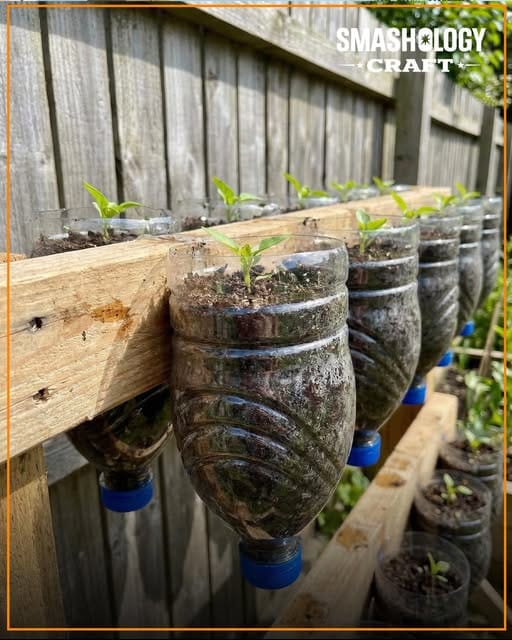
Another idea is to use soda bottles anywhere that can hang them with a bit of sun.
Get them ready now so when you can plant, it takes less time and starts more plants.
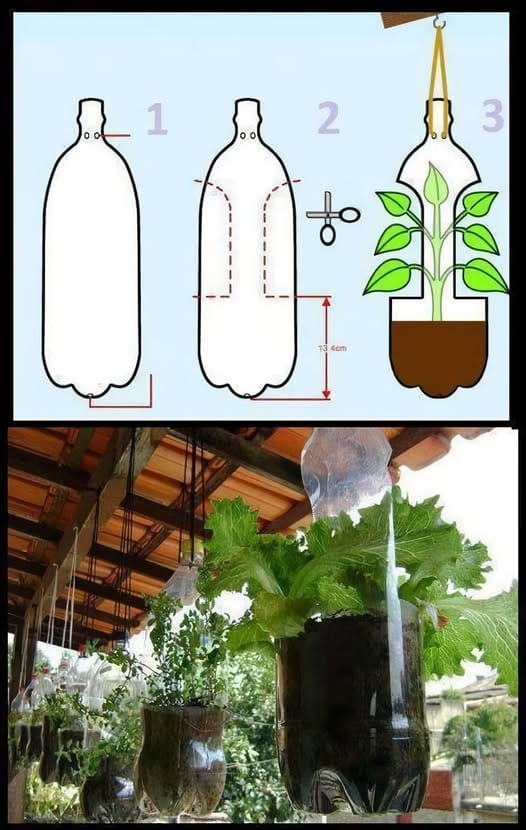
Photo from Next Gen Media

There will be no Enews published next week as we journey through Holy Week